
The Love of Learning
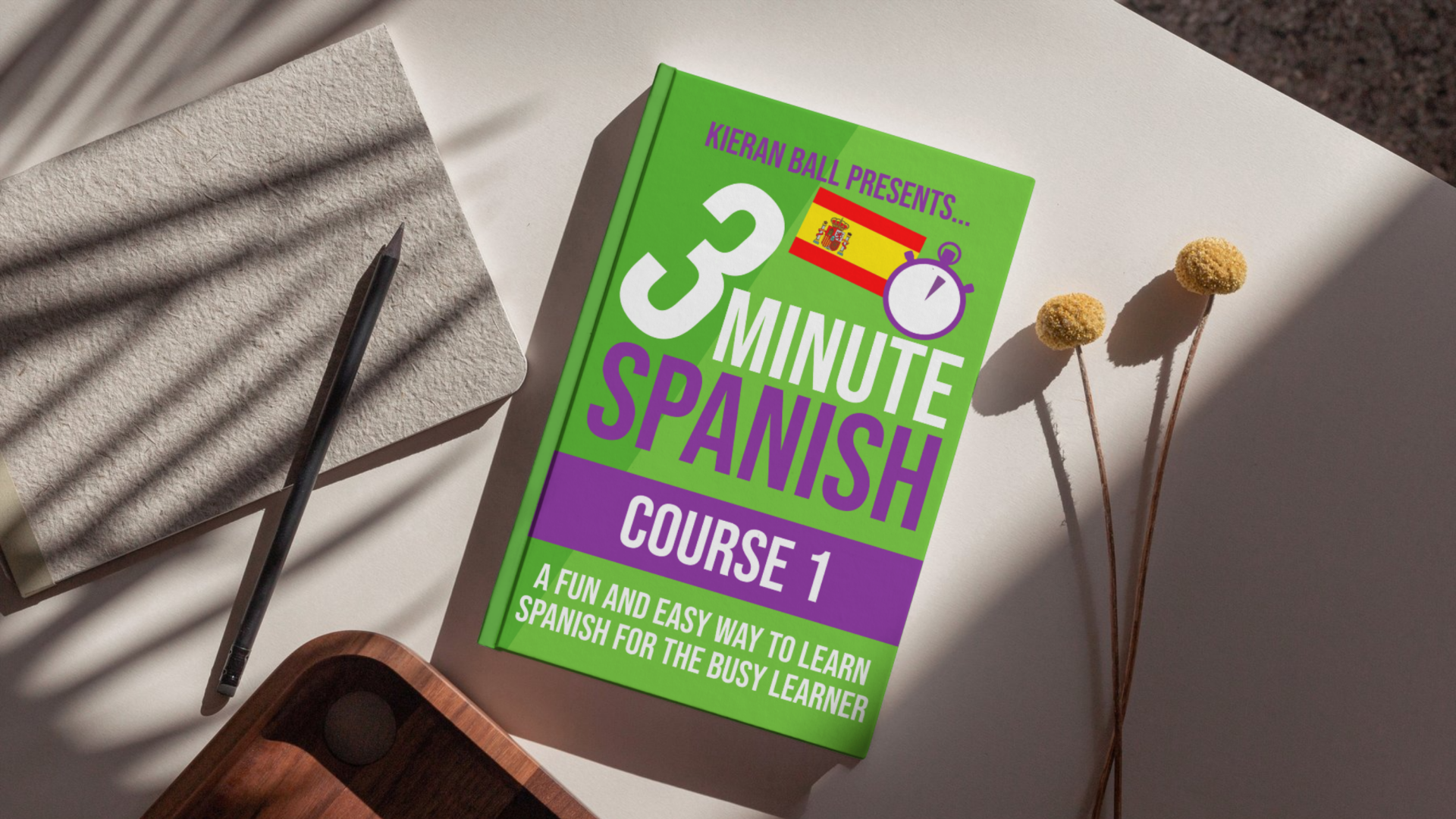
There is nothing more thrilling than the feeling of instant success. This is one of the underlying ideas behind the 3 Minute Languages series—it gives you immediate knowledge in the language, and you feel as though you can conquer the world after just the first lesson.
Why do so many people give up on learning a language?
If you ever learn something and think, “When am I ever going to use this?” then you won’t get that feeling of instant success. As I developed the method behind my language courses, all of this was constantly going through my mind: people want instant success!
Even though the sentence above is true, I don’t think I’d ever start a conversation using it, especially not to a complete stranger in the street, and even more especially not in a foreign language! However, the content of the sentence is usually the first thing taught in traditional language courses.
Picture yourself on holiday—you’re far more likely to ask for directions, order food, or check into a hotel before you start introducing your pets! This gap in practical language is why many beginners struggle to stay motivated. Without the chance to actually use what they’ve learned, excitement fades quickly.
Building the 3 Minute Languages Method

One day, whilst I was on holiday in Spain, I was walking around a Spanish market. Out of thin air came an idea for a simple method of presenting a foreign language to a learner that would enable them to pick it up and speak it straight away in almost any situation.
As I was stood in that Spanish market, I didn’t introduce myself to anybody, nobody wanted to know about my family nor where I was from, and I didn’t tell a single person about my job. Yet, I was speaking to people in Spanish virtually non-stop: I was asking for prices, bartering, talking to people about what they were selling. This is the way to get people to start speaking a foreign language.
I immediately bought a notepad and pen from one of the market stalls, and wrote down the basic structure of the idea that was in my head. Then the hard work began.
Once I returned home from that market, I spent the rest of my holiday filling the notepad. For a long time afterwards, I designed and developed every part of the method, testing it on people and then altering parts until it was absolutely perfect. I wanted to ensure than anybody could learn a foreign language using my method.
The tools for success
I started to break down the structure of the whole language into small chunks that people could use to make whole sentences. Anyone would be able to learn a few of the chunks and put them in different orders, enabling them to say anything they wanted without having to think too much. I had eventually developed a set of clear rules that made it possible to manipulate the structure of a language in order to say anything you like.

Knowing how to manipulate the structure of the language is not only extremely useful but it is vital if you ever want to reach a high level in the language. It’s sort of like knowing how to use the set of tools needed to build a house. If you know how to use the tools, you are capable of building any house you can imagine.
Tools without materials = useless
I just said that if you know how to use the tools required to build a house, you can build any house you can imagine. However, what if you have no materials? Without bricks and mortar it doesn’t matter how well you can use the tools, you’re never going to be able to magic up a house despite all the desire in the world.

This is exactly the same with languages. You can know how to use the structure (the grammar) of a language perfectly but if you don’t have a large enough selection of words in your head, you’ll have nothing to say. So, to speak a language, you need the structure and the vocabulary to go with it. Without both, you’ll be rendered speechless. You can memorise a French dictionary, but if you don’t have the knowledge to put the words together, you won’t be able to say anything other than single-word utterances.
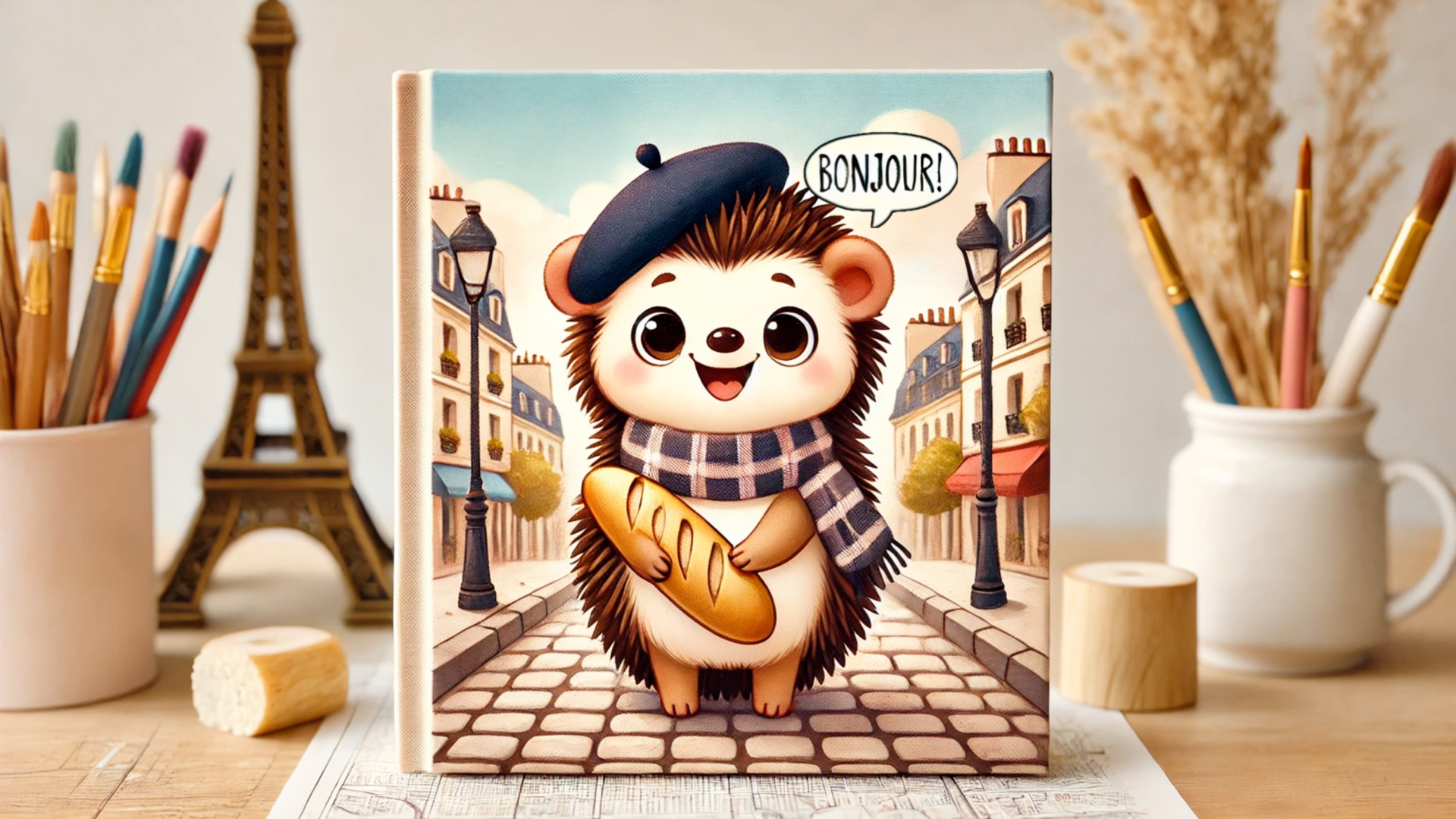
Now, vocabulary is a funny thing. You need to learn the right words at the right time or else they’re neither use nor ornament! If I told you that the French word for hedgehog is “hérisson” and that a good way to remember it is imagining a “Hairy Son” with a hedgehog in his hand, you may remember the word but what are you going to do with it? Whereas, if I told you that “bonjour” means hello, it’s a lot more useful, as you can use it several times a day in France. It doesn’t matter how good the method is at getting you to remember the words, “hérisson” is never going to be as useful to you as “bonjour”.
As I was in that Spanish market, this is what I realised: the method for memorising the words wasn’t as important as the actual choice of words. Even more important than the choice of words was the order in which they’re taught. I was listening to the people at the market stalls, the people walking along the street and the people sitting in the little cafés, and I noticed they were all using the same group of words over and over. This group of words should be the words students learn first because they’d be the words most useful to them and the ones they could use in any situation.
Bringing the method to life
It took over three years of research, planning and development to choose which words should be learnt in what order and how this could be put together with the method for learning the structure of the language. When I finally finished it, I couldn’t wait to try it out.
The first person I taught with my new method was learning Italian. She had never learnt a language before and she was going on holiday to Rome in the summer. After the very first lesson, she said, and I quote: “I don’t know how you’ve done it but I want to go to Italy now and use my new language skills. You’re a language magician! How did you get me to speak all this Italian after just one hour? It’s amazing”
I was probably more excited myself! I carried on using the method, and the results were always the same. People learnt the language extremely quickly, and they couldn’t believe how easy it was. My diary started to fill up fast, and I had a range of different students come to me. Some had tried learning the language before, and others were brand new to language learning. One man said he’d tried learning German at night classes for five years, and he gave up, thinking he wasn’t good at languages. After our first lesson together, he said he’d learnt more in that hour than he had in the past five years!
I had lots of similar stories from people who had spent years with night classes, teach-yourself books and private tutors without success. Then, suddenly, they could speak fluently and confidently after just a few lessons with me.
Thinking back to when I started learning languages myself, I bought an enormous number of books and CDs. They were all pretty similar and I realise that the reason why most people either fail or simply give up on their language learning goals is because the order the vocabulary is traditionally presented in and the way the structure of the language is normally explained doesn’t allow the student to communicate immediately in any situation. Unlike the 3 Minute Languages method!
Anyway, if you’d like to try out my courses for yourself, you can do so for free with my taster courses.
Happy learning!

Speak confidently, from day one.